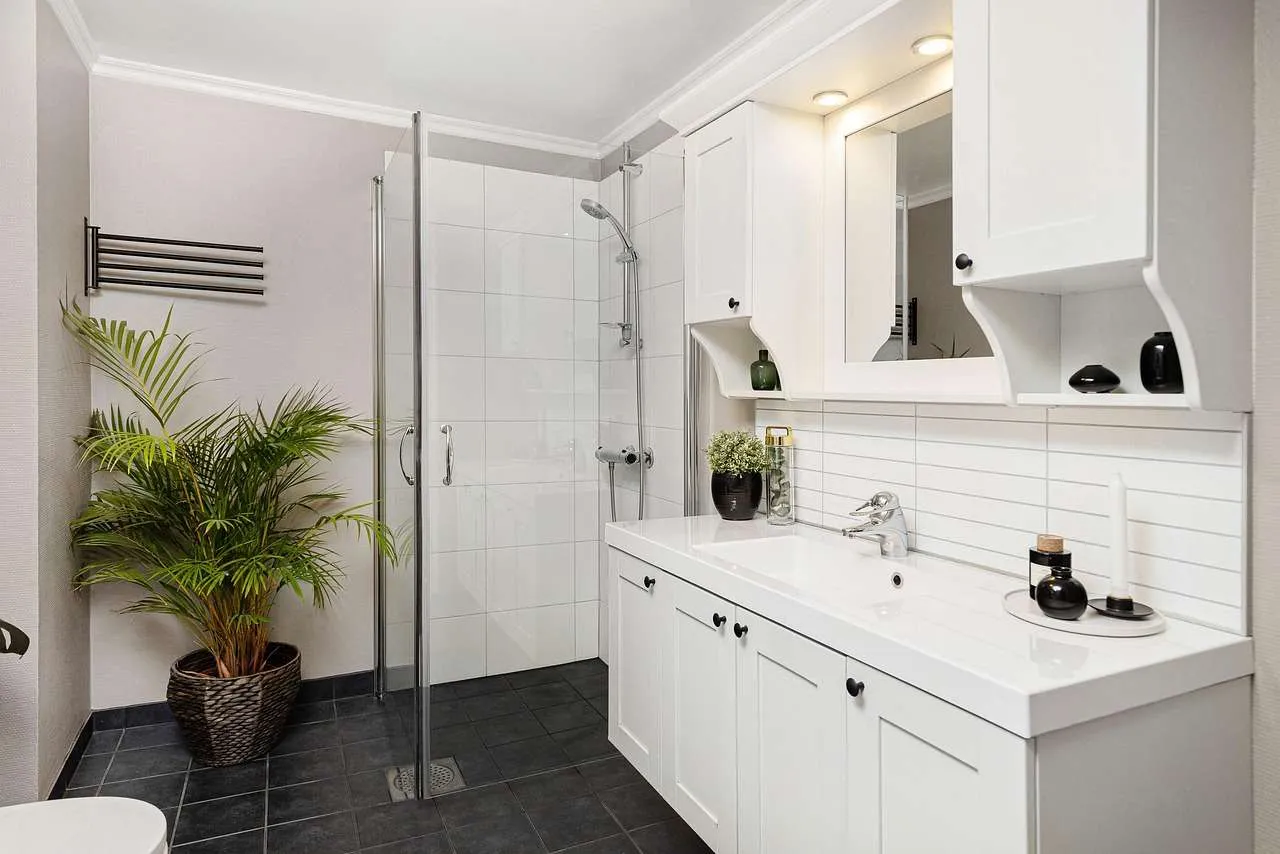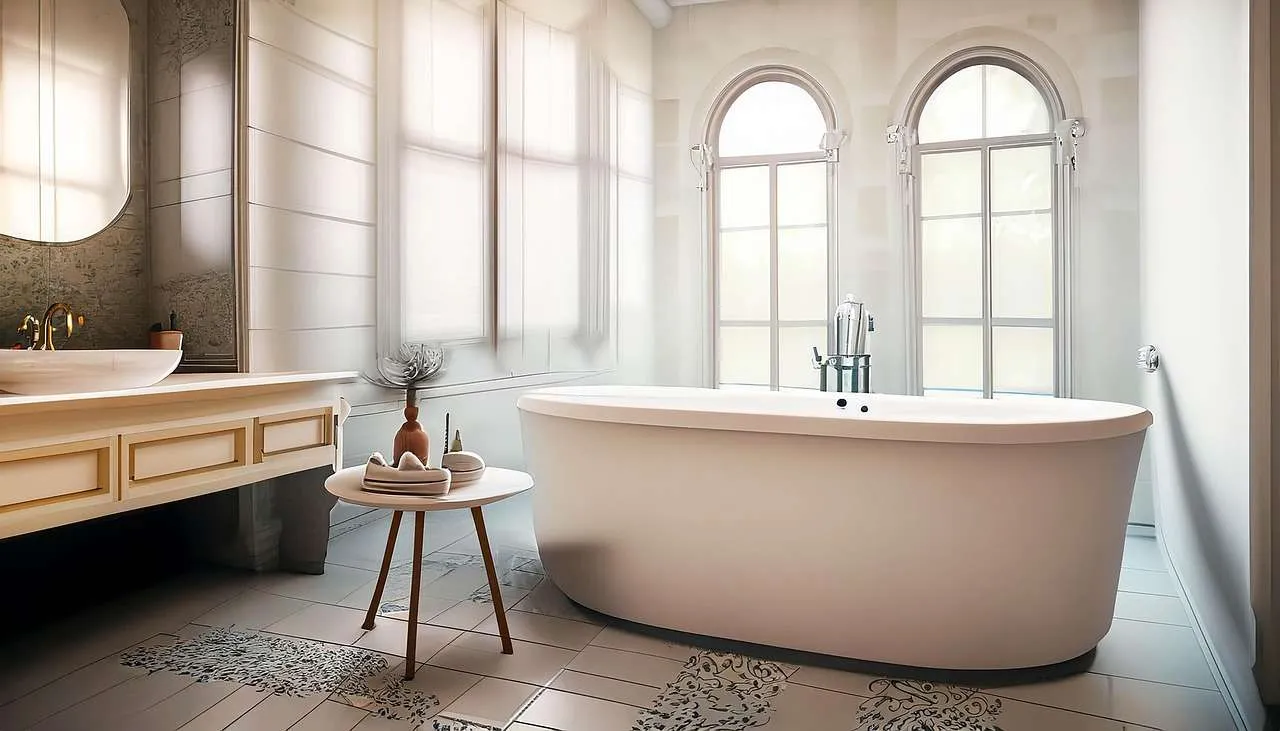
Bathroom decor blends form, function, and calm. A well-planned space uses durable materials, smart storage, and layered lighting to support daily rituals. This guide simplifies design decisions that yield a cohesive, long-lasting look—one that reflects your personality while staying practical in humidity-heavy environments. We'll cover color schemes, fixtures, storage, lighting, and sustainable choices that earn trust through EEAT—expertise, authority, and trust—from professionals and homeowners alike.
Foundations of Bathroom Decor
Start with a brief: decide how the space should feel—calm, energizing, spa-like—assess layout constraints, and set a realistic budget. A solid plan matches the architecture and moisture realities, with durable finishes and slip-resistant floors. Even small updates, like a new mirror or faucet, can transform the space without a full remodel.
1. Define Style and Budget
Choose a core style—modern minimal, classic traditional, coastal, or spa-inspired—that suits your home. Translate this into a practical budget: 60-70% to fixtures and vanity, 15-25% to finishes, and 5-10% for lighting and hardware. This keeps pieces cohesive and avoids fads that won’t endure.
2. Color, Materials, and Finish
Neutrals provide versatility; add personality with accent towels or art. Prioritize moisture-resistant surfaces: porcelain tiles for walls, ceramic sinks, quartz countertops, and matte or satin fixtures. Mix textures—matte hardware with glossy tiles or natural wood accents—to add depth without clutter.
3. Lighting and Accessories
Layer lighting for function and mood: ambient ceiling lighting, task lighting near mirrors, and subtle ambient accents for evenings. Use dimmable LEDs in 2700K-3000K range for warmth. Choose mirror frames, baskets, and trays that echo your palette and resist humidity.
4. Storage and Organization
Efficient storage is essential. Custom vanities, wall niches, and tall cabinets keep surfaces clear. Use baskets, labeled jars, and drawer organizers to reduce clutter. In small baths, recessed shelving and a slim vanity maximize space.
Trending Styles vs. Timeless Choices
Trends influence color and hardware, but timeless design endures. The table below compares common styles and how they perform in real homes.
| Style | Color Palette | Key Materials | Pros | Cons |
|---|---|---|---|---|
| Modern Minimal | Neutrals, black, steel | Porcelain, engineered stone, stainless steel | Clean lines, easy maintenance, scalable | Can feel cold if not warmed with texture |
| Classic Traditional | Creams, warm whites, wood tones | Ceramic tile, natural stone, wood veneer | Timeless appeal, durable finishes | Requires more grout and wood upkeep |
| Coastal | Whites, soft blues, sand | Ceramic/porcelain, light wood, glass | Bright and airy, humidity-friendly | Can seem generic if overused |
| Spa-Inspired | Greige, stone hues, greens | Natural stone, quartz, glass | Calming, luxurious feel | Higher material costs |
5. Sustainability and Maintenance
Choose durable, low-maintenance materials that age well. Porcelain and ceramic tiles last long; quartz resists staining; chrome hardware stands up to moisture. Plan for easy cleaning: larger tiles mean fewer grout joints, and sealed grout reduces dirt buildup. Water-efficient fixtures save resources and lower operating costs.
6. Planning and Execution
Measure space, check ventilation, and confirm plumbing compatibility before buying. Create a simple mood board with color swatches, tile sizes, and sample hardware. If possible, hire a licensed professional for electrical, plumbing, and moisture management to ensure safety, compliance, and trust—key EEAT considerations for a successful bathroom refresh.
Applying These Ideas to Your Bathroom Decor
Start with accents or refresh a vanity and mirror to update the look. For larger renovations, stage the project: upgrade lighting and fixtures first, then tackle tiles and storage. Test samples in natural light; pieces can shift hue with different light. Keep receipts and decisions organized to aid maintenance and future updates.
By prioritizing durable materials, layered lighting, and thoughtful storage, you create a bathroom decor that remains stylish for years. The result is a space that feels personal yet universally appealing, elevating daily rituals and your home’s value.
Conclusion, a well-executed bathroom decor balances form and function, integrates your chosen style with high-quality materials, and remains practical in humidity and wear. This balanced approach—expert material selection, clear layout guidance, and transparent maintenance plans—delivers a bathroom you’ll love today and for years to come.